We live in a wonderfully diverse world, with lots of different cultures, races, religions and abilities. It can be easy to focus on our differences. However, I think we all have in common the most important things for any human: we all want to feel loved, to feel happy, and to feel we belong.
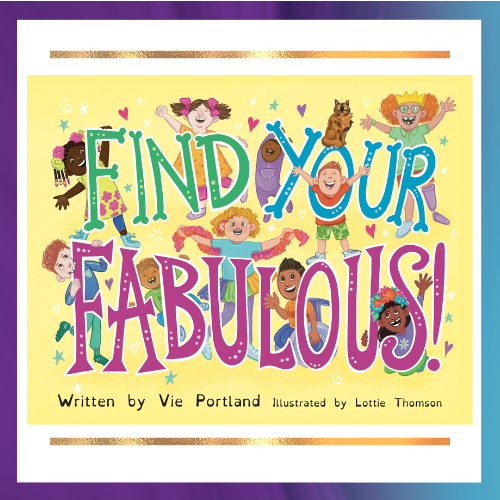
In this book, there are lots of children. They all look very different. They all have people and things they love. They all have varied life experiences. Some are disabled, and some are non-disabled. And they all have one amazing, incredible, joyful thing in common: they are all fabulous, just as they are.
In this book, there are lots of children. They all look very different. They all have people and things they love. They all have varied life experiences. Some are disabled, and some are non-disabled. And they all have one amazing, incredible, joyful thing in common: they are all fabulous, just as they are.
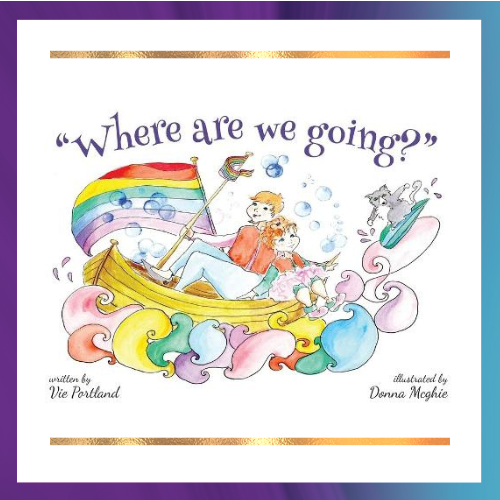
On the surface, 'Where are we going?' is a book about imagination. There is more beyond that, though.
In fiction generally, but especially in children's fiction, in the very small percentage of books that have a child with a disability as a main character, the story is, nearly always, about their disability. This can be a contributing factor to how many of us still see people with disabilities as "other"; if the stories are about their disability, we often miss who they are first: a person.
This book is designed to be a stepping stone to helping children see that people with disabilities can, and do, live rich and wonderful lives, in reality and in their imaginations. The hope is that this book plays a small part in encouraging everyone to accept others, not just because of their differences, but more because we have more in common than that which makes us different.
In fiction generally, but especially in children's fiction, in the very small percentage of books that have a child with a disability as a main character, the story is, nearly always, about their disability. This can be a contributing factor to how many of us still see people with disabilities as "other"; if the stories are about their disability, we often miss who they are first: a person.
This book is designed to be a stepping stone to helping children see that people with disabilities can, and do, live rich and wonderful lives, in reality and in their imaginations. The hope is that this book plays a small part in encouraging everyone to accept others, not just because of their differences, but more because we have more in common than that which makes us different.
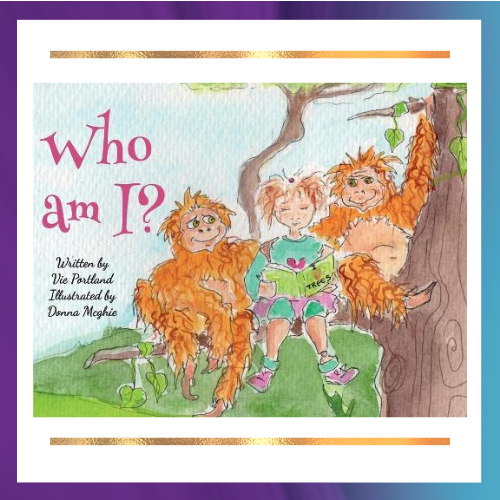
In Who Am I? Emily and her mum imaginatively explore who she is.
In a study done in 2020/21, it was found that most children wouldn't make friends with someone who looked different to them; this could be because of their size, their colour, or their disability. It's not too surprising, really. Have a think about the villains in films and books; what do they look like? Many of them are fat, or bald, disabled or disfigured. It highlights the differences we have.
I don't like it.
And that's why, in my Emily stories, the stories aren't about her disability, about how she looks different, because I want readers to see that we all have far more in common than that which makes us different; I want readers to see that, when we accept and celebrate our differences, our worlds open up to so much more joy, to so many more experiences. Surely that's a better way to be?
As I say frequently, and as Emily's Mum says in the story, it's who we are and what we do that matters, and we really are wonderful, just as we are.
In a study done in 2020/21, it was found that most children wouldn't make friends with someone who looked different to them; this could be because of their size, their colour, or their disability. It's not too surprising, really. Have a think about the villains in films and books; what do they look like? Many of them are fat, or bald, disabled or disfigured. It highlights the differences we have.
I don't like it.
And that's why, in my Emily stories, the stories aren't about her disability, about how she looks different, because I want readers to see that we all have far more in common than that which makes us different; I want readers to see that, when we accept and celebrate our differences, our worlds open up to so much more joy, to so many more experiences. Surely that's a better way to be?
As I say frequently, and as Emily's Mum says in the story, it's who we are and what we do that matters, and we really are wonderful, just as we are.